Demo Days Are Dying. The Kitchen Coffee Machine Is Hiring.

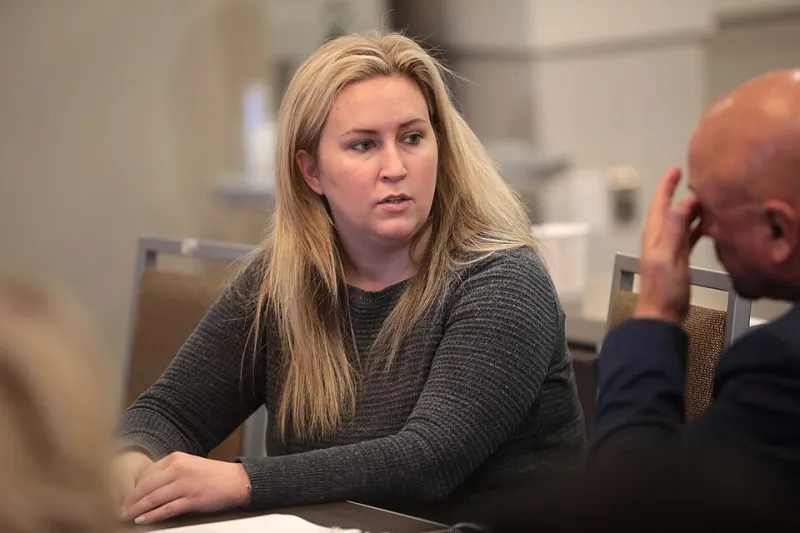
Photo: diverse entrepreneurs talking casually in modern coworking space kitchen, via img.freepik.com
There was a time when getting into an incubator meant something. You'd apply, wait, pitch a panel, and if you were lucky, you'd get a desk, a mentor, and a demo day where twelve investors watched you sweat through a five-minute slide deck.
That model is struggling. Funding for accelerator programs has tightened across the country, regional incubators have shut their doors from Cleveland to Sacramento, and the cohort structure itself has taken a beating from founders who found the whole thing performative. Meanwhile, something else has been filling the gap — and it doesn't wear a lanyard or hand out a certificate.
It's your coworking space.
What Incubators Promised vs. What Founders Actually Needed
Legacy incubators were built around a specific theory: that startups fail because they lack access. Access to capital, access to mentors, access to networks. So the programs were designed as funnels — a small, curated group of companies pushed through a fixed curriculum toward a single demo day.
The problem is that most founders don't fail because of a missing pitch. They fail because of boring, unglamorous things: no first customer, no honest feedback, no one to ask a dumb question without embarrassment. Those needs don't come in cohorts. They come continuously.
Ask a founder what actually saved their business in year one and you rarely hear "the structured programming." You hear things like:
- A CPA two desks over who flagged a payroll mistake before it became a fine
- A designer who traded logo work for bookkeeping help
- A random hallway conversation that turned into their first enterprise client
That's not curriculum. That's ecosystem. And ecosystems can't be scheduled into a twelve-week program.
The Quiet Absorption Is Already Happening
Look closely at what well-run coworking spaces are doing in 2025 and you'll see incubator functions showing up organically. Lunch-and-learns instead of lecture series. Slack channels instead of mentorship databases. Office hours with a local attorney who happens to be a member, not a paid advisor on a program roster.
The difference is structural. An incubator selects you, processes you, and graduates you. A coworking space just... surrounds you. There's no application gate deciding whether your idea deserves support. The freelance illustrator and the fintech founder share a coffee machine, and value flows in directions no program manager could engineer.
This isn't to say traditional incubators were useless. Y Combinator exists for a reason. But the median American founder isn't building a venture-scale rocket ship — they're building a profitable services firm, a regional brand, a bootstrapped SaaS. For them, the cohort model was always a mismatch, like using a wedding venue to run a coffee shop.
What Founders Should Demand From Their Space
If coworking spaces are absorbing the incubator role, founders should hold them to it. Not every shared workspace does this well. The ones that do tend to share a few traits:
Deliberate density of skills. They actively recruit members across disciplines — legal, marketing, engineering, finance — because the value of the room compounds with its variety.
Low-friction connection. Structured enough that introductions happen, loose enough that they don't feel like networking events with name tags and forced small talk.
Local roots. The best spaces are wired into the city around them — the chamber of commerce, the local bank's small business team, the community college entrepreneurship program. Regional infrastructure beats a national network you'll never actually use.
Patience. No twelve-week clock. Support that lasts as long as your membership does, because businesses don't operate on demo day schedules.
The Argument for Staying Put
Here's the opinion part: I think the incubator's decline is a net win for founders outside the coastal venture bubble. For decades, the message to entrepreneurs in Tulsa or Toledo was that real support lived in San Francisco or New York. That was always questionable, and now it's demonstrably false.
The next generation of startup support looks like a converted warehouse downtown with fast Wi-Fi, decent coffee, and forty people building forty different things — some of whom will become your customers, your cofounders, or the person who talks you off the ledge in month nine.
No cohort. No cap table requirements. No graduation.
Just a room full of people doing the work, every day, next to you.
That was the incubator's promise all along. It turns out you didn't need the program. You needed the building.